Best Pedestrian crossing button
Navigating busy streets can be a daunting task, especially for pedestrians. With vehicles whizzing by and traffic signals dictating the flow of movement, safety is paramount. Enter the pedestrian crossing button—a small yet mighty device designed to empower walkers and enhance their safety at intersections. These buttons do more than just signal when it’s safe to cross; they play a vital role in urban planning and pedestrian management. Whether you’re commuting to work or enjoying a leisurely stroll, understanding the different types of pedestrian crossing buttons available can make all the difference in your daily travels. Let’s dive into this essential tool that keeps our roads safer for everyone!
The Purpose of Pedestrian Crossing Buttons
Pedestrian crossing button serve a crucial purpose in urban environments. They empower pedestrians, allowing them to control the flow of traffic at busy intersections.
When pressed, these buttons signal traffic lights to change, giving walkers a designated time to cross safely. This simple action helps reduce the risk of accidents and creates a sense of security for those on foot.
Beyond safety, pedestrian crossing buttons promote accessibility. They are designed with features like audible signals for visually impaired individuals and tactile surfaces that guide users to safe passageways.
Moreover, these devices foster an organized transit system where all road users—drivers and pedestrians alike—can coexist harmoniously. By highlighting pedestrian crossings effectively, they ensure that everyone can navigate streets confidently without unnecessary delays.
Types of Pedestrian Crossing Buttons
Pedestrian crossing buttons come in various designs to cater to different needs. The most common type is the standard push button, which requires users to physically press it for a signal change.
Another popular option is the audible pedestrian signal (APS) button. This device provides auditory cues, making crossings safer for visually impaired individuals.
Some advanced models feature tactile surfaces or Braille instructions on them, enhancing accessibility further. These buttons not only serve pedestrians but also foster inclusivity in urban spaces.
There are also smart pedestrian crossing buttons that integrate with traffic management systems. They can communicate real-time data to improve traffic flow and enhance safety measures.
Additionally, some crossings offer automatic sensors that detect approaching pedestrians without needing any physical interaction at all. Each type serves its specific purpose while aiming to make the streets safer for everyone.
Factors to Consider When Choosing a Pedestrian Crossing Button
When selecting a pedestrian crossing button, accessibility is key. Ensure the design accommodates users with disabilities. Features such as tactile buttons and audible signals enhance usability for everyone.
Durability also plays a crucial role. Look for materials that withstand weather conditions and frequent use. A robust button can reduce maintenance costs over time.
Consider visibility too. Bright colors or built-in lights can help pedestrians identify the button from a distance, especially in low-light situations.
Installation ease should not be overlooked either. Some models come with user-friendly mounting options that facilitate quicker setup without extensive modifications to existing infrastructure.
Think about technology integration. Smart buttons may offer connectivity features, allowing real-time data sharing or remote monitoring capabilities to improve traffic management strategies effectively.
Top Picks for the Best Pedestrian Crossing Button
When it comes to pedestrian crossing buttons, a few models truly stand out. The **Econolite TS-2** is known for its durability and user-friendly design. With clear markings and a tactile surface, it’s easy for everyone to use.
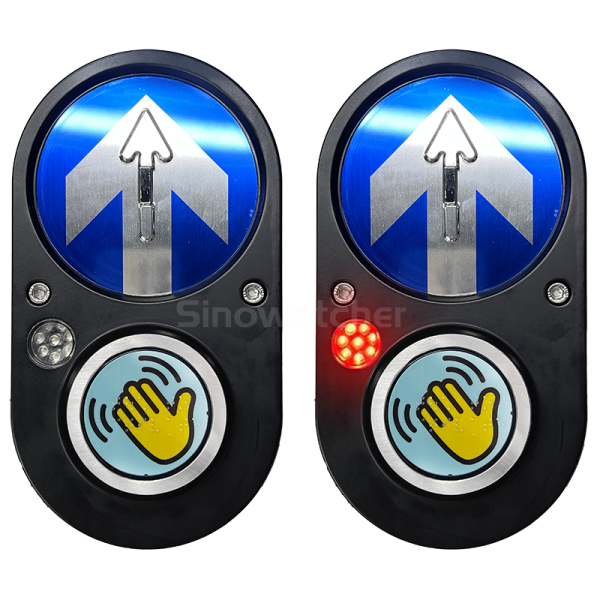
Another commendable option is the **MPS Pedestrian Push Button**, which features an LED indicator. This visual cue reassures pedestrians that their request has been registered.
For those looking at smart solutions, the **Trafficware 3M Series** integrates with traffic management systems seamlessly, providing real-time data on pedestrian crossings.
Don’t overlook the **Apex Touchless Button**, designed specifically for accessibility. It allows users to activate cross signals without physical contact—perfect in our hygiene-conscious world.
Each pick brings unique advantages suited to various urban environments and needs. Choosing wisely can enhance safety and efficiency on busy streets.
Benefits of Using an Efficient Pedestrian Crossing Button
An efficient pedestrian crossing button enhances safety. It allows pedestrians to signal their intent to cross, reducing the risk of accidents. Drivers are more likely to yield when they see a clear indication that someone is waiting to cross.
Convenience is another major benefit. Modern buttons often feature easy-to-reach designs and tactile feedback, making them accessible for all users, including those with disabilities.
Moreover, these buttons can improve traffic flow. By providing a structured way for pedestrians to cross at busy intersections, they help minimize delays and ensure smoother transit for both vehicles and walkers.
They also foster independence among younger or elderly individuals who may feel hesitant about crossing streets alone. With reliable pedestrian crossing buttons in place, everyone can navigate urban environments confidently and safely.
Innovations in Pedestrian Crossing Buttons
Recent innovations in pedestrian crossing buttons are transforming urban safety. Smart technology is at the forefront, integrating sensors that detect approaching pedestrians. This ensures that signals activate only when needed, reducing unnecessary delays.
Touchless activation has also emerged as a game-changer. With motion sensors or foot-pedal options, users can safely signal without physical contact. This feature is especially beneficial during flu seasons or pandemics.
Another exciting trend is the incorporation of adaptive lighting. These buttons now light up to guide visually impaired individuals. Enhanced visibility adds an extra layer of safety for everyone.
Mobile app integration allows users to interact with these systems remotely. Pedestrians can receive real-time updates on traffic conditions and waiting times before they even reach the crosswalk.
The future looks bright with ongoing advancements in pedestrian crossing button technology, promoting safer streets for all road users while embracing innovation.
Conclusion
Pedestrian crossing buttons play a crucial role in enhancing safety and convenience for walkers. As urban areas expand and traffic increases, the importance of these devices becomes even more apparent. Choosing the right pedestrian crossing button can significantly affect not only the flow of foot traffic but also the overall safety of pedestrians.
By considering factors such as durability, accessibility, and ease of use, you can select a button that best serves its purpose. The top picks highlighted demonstrate exceptional performance in real-world settings.
The benefits are clear: efficient pedestrian crossing buttons improve wait times and ensure safer crossings. With innovations on the horizon—such as smart technology integration—the future looks promising for both pedestrians and city planners alike.
Investing in quality pedestrian crossing buttons is essential for any community prioritizing safety and accessibility on their roads. Every step towards better infrastructure counts toward creating a safer environment for everyone who shares our streets.