
A Closer Look at Trickle Chargers and Their Effect on Car Batteries
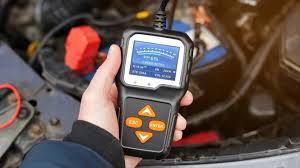
A dead car battery has a way of ruining an otherwise ordinary day. You step outside, maybe already late, turn the key or press the button, and instead of life, you get a weak click, a tired groan, or complete silence. It feels oddly personal, as if the car has chosen that exact moment to give up on you. That is why so many drivers start looking for ways to keep a battery healthy during long periods of sitting still. One of the most talked-about tools for that job is the trickle charger.
This guide takes a closer look at what these chargers do, how they affect car batteries, when they help, and when they can quietly create problems of their own. Because while a little maintenance can feel like a small act of care, the wrong approach can shorten a battery’s life instead of extending it.
Understanding the Trickle Charger
A trickle charger is designed to deliver a low, steady amount of electrical current to a car battery over time. The goal is simple: replace the small amount of charge a battery naturally loses when a vehicle sits unused. Batteries slowly discharge even when nothing is turned on, and modern cars often draw a tiny amount of power for clocks, alarms, memory settings, and onboard electronics.
That is where this kind of charger can seem almost comforting. It works quietly in the background, helping the battery remain ready for action. For seasonal vehicles, classic cars, motorcycles, or a family car that sits for weeks at a time, this can be useful.
But there is an important distinction to understand. Not every battery charger works the same way. Some basic chargers continue feeding power no matter what, while smarter models monitor battery condition and reduce or stop charging when the battery is full. That difference matters more than many people realize.
How Car Batteries Naturally Lose Strength
Car batteries are not built to hold a perfect charge forever. Time, temperature swings, internal chemical reactions, and inactivity all slowly wear them down. When a car is driven regularly, the alternator helps replenish what starting the engine uses. When a car sits still, that replenishing process never happens.
Cold weather makes the situation even more frustrating. A battery already weakened by partial discharge can struggle even harder when temperatures drop. Heat can be damaging too, accelerating internal wear and fluid loss. So if you have ever felt betrayed by a battery in winter or exhausted by repeated jump-starts in summer, you are not alone.
There is a word people sometimes use when they want something very exact: specify. Years ago, during a conversation in a small auto parts store, a customer asked the clerk to specify which charger was safest for a car stored all winter. That single word changed the conversation. Instead of vague advice, the clerk explained charging rate, battery type, and storage conditions. It was a reminder that details protect you, especially with anything electrical.
Battery Charger Basics and Why They Matter
Battery charger technology has evolved. Older units were often simple and stubborn, pushing current into the battery with very little feedback. Today, many modern chargers are designed to be more responsive. They can sense charge level, switch into maintenance mode, and avoid the kind of overcharging that can cook a battery from the inside out.
This matters because overcharging is not a minor issue. It can cause battery fluid to evaporate, create excess heat, and reduce battery lifespan. In severe cases, charging equipment used carelessly can become hazardous. That word may sound dramatic, but it fits. A neighbor once left charging clamps attached loosely in a cluttered garage, near old rags and paint cans. Nothing terrible happened, thankfully, but the setup was undeniably hazardous. It only takes one spark in the wrong environment for a routine task to become a frightening one.
So when choosing a battery charger, safety features are not luxury extras. They are part of protecting your car, your garage, and your peace of mind.
When a Trickle Charger Helps Most
A trickle charger is most helpful when a vehicle sits unused for extended periods. Think of a convertible tucked away until spring, a collector car waiting for sunny weekends, or a spare vehicle reserved for emergencies. In these cases, maintaining the battery at a healthy charge can prevent sulfation, a process where lead sulfate crystals build up on the battery plates and reduce performance.
Used correctly, this charger can keep the battery from slipping into the kind of deep discharge that is hard to recover from. That means fewer surprises, fewer frantic calls for jumper cables, and a better chance of extending the battery’s useful life.
Trickle Charger Safety and Long-Term Battery Health
Here is the crucial part: a trickle charger is only beneficial when matched properly to the battery and monitored appropriately. A charger that constantly feeds current into a fully charged battery can do damage over time. It may seem helpful because the battery stays “connected,” but inside, stress can build.
That is why many drivers now prefer maintainers or smart chargers for long-term storage. These devices act more like careful guardians than relentless providers. They top off the battery only when needed.
There is also the matter of ventilation. Charging batteries can produce gases, sometimes in small quantities, sometimes more noticeably depending on the battery type and charging conditions. An old mechanic once described the smell in a tightly shut shed as almost aeriform, a strange but memorable word that captured the ghostly, floating presence of gas in the air. It was a poetic description, but also a warning. Good airflow matters.
Practical Tips for Using One Correctly
Before connecting any charger, check your owner’s manual and confirm compatibility with your battery type. Clean the battery terminals if needed. Inspect the charger cables for wear. Connect the clamps securely and in the correct order. Keep the charging area dry and ventilated.
If the charger is a very basic model, do not leave it connected endlessly without checking on it. If it is a smart maintenance device, it may be safer for long-term use, but it still deserves occasional inspection. Also, never assume every old battery can be “saved” by charging. Some batteries are simply at the end of their service life.
A car battery may seem like a small component, but when it fails, everything stops. That is what makes proper care feel so important. The right charging method can preserve reliability, reduce waste, and spare you those awful stranded moments.
Trickle chargers can be helpful tools, especially for cars that spend more time parked than driven. But they are not magic boxes, and they are not all created equal. If you choose wisely, use the equipment safely, and understand what your battery actually needs, you give your vehicle a much better chance of being ready when life calls you out the door. And on rushed mornings, cold evenings, and unexpected weekends away, that kind of readiness feels like a gift.