Racing Games And Real Motorsport: How Virtual Tracks Create Real Fans
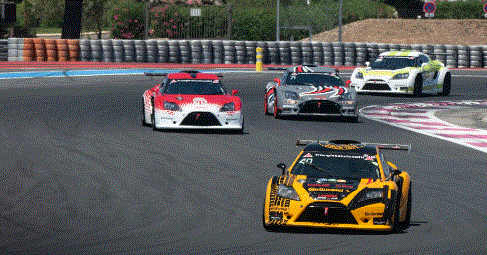
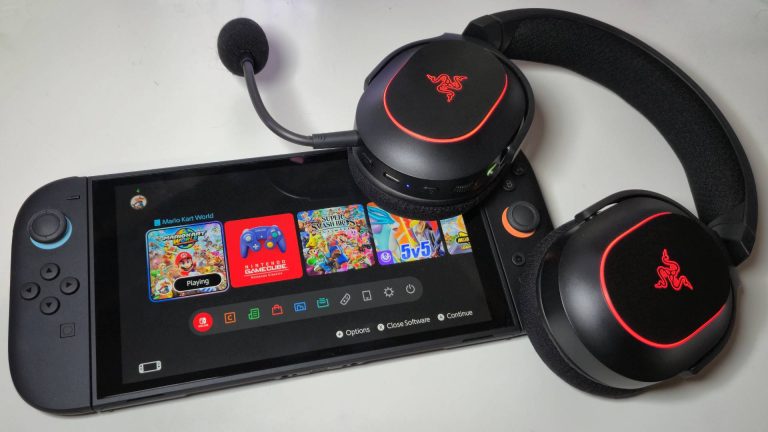
Racing games have become one of the easiest doors into real motorsport. A person does not need a paddock pass, a racing license, or a family history full of engine noise to understand the first spark. A console, a controller, and a famous circuit can already turn curiosity into something stronger. From that point, motorsport no longer feels distant or too technical.
In many online discussions about digital entertainment, racing titles often sit beside broader gaming platforms, and even a short mention of x3bet can appear naturally when comparing how different online spaces keep competitive interest alive. In racing games, that interest is built through speed, timing, risk, and small decisions that feel simple at first, but later reveal how complex motorsport really is.
From Casual Driving To Serious Curiosity
At first, racing games look easy to understand. The main goal seems obvious: finish ahead of the field. Still, after a few races, the picture changes. Braking too late ruins a corner. Turning too sharply destroys speed. Choosing the wrong racing line makes a straight section feel painfully slow.
This is where real motorsport begins to make more sense. A viewer who once watched Formula 1, MotoGP, rally, or endurance racing only for crashes and overtakes may start noticing smaller details. Corner exits become important. Tire wear begins to matter. Pit strategy stops looking like a random interruption and starts looking like a chess move at 300 kilometers per hour.
Racing games teach through repetition. A player can fail ten times on the same corner, restart, adjust, and finally understand why professional drivers speak so much about rhythm. Real motorsport becomes easier to appreciate because virtual racing turns abstract skill into personal experience.
What Racing Games Teach Without Feeling Like A Lesson
Good racing games quietly teach the language of motorsport. No classroom vibe, no dusty manual, no professor explaining downforce like a tragic poem. The learning happens through movement, mistakes, and tiny improvements.
Skills That Build Motorsport Awareness
- Racing lines with purpose: Corners stop looking like simple turns and become routes where speed must be protected.
- Braking discipline: Late braking feels exciting, but controlled braking usually wins the lap.
- Car balance: Understeer, oversteer, grip loss, and weight transfer become easier to recognize.
- Track memory: Famous circuits gain meaning because each bend carries a small challenge.
- Strategic patience: Winning is not always about aggression; sometimes the smart move is waiting.
These lessons make real races more engaging. A viewer with racing game experience can watch a driver defend position and understand why one line blocks an attack. A slow pit stop feels more dramatic because the lost seconds now have emotional weight.
Why Sim Racing Feels Closer To Motorsport Than Other Sports Games
Many sports games simplify reality for quick fun. Racing games can also do that, but simulation-focused titles often move closer to real technique. Steering input, tire temperature, fuel load, weather, and setup changes can influence every lap. This gives motorsport a special connection to gaming.
A racing game does not fully recreate the physical force, fear, heat, or pressure of a real cockpit. Still, it can explain decision-making better than a highlight reel ever could. Motorsport stops being only noise and speed. It becomes timing, control, preparation, and emotional discipline.
How Virtual Racing Creates New Types Of Fans
Racing games do not replace real motorsport. Instead, virtual racing builds a bridge. Some players become casual fans. Some start watching race weekends. Some follow specific drivers, teams, or categories. A smaller group may even explore karting, sim racing leagues, or local motorsport events.
Ways Racing Games Turn Interest Into Real Motorsport Engagement
- Broadcast curiosity: Familiar tracks make race coverage easier to follow.
- Driver respect: Virtual mistakes create a stronger appreciation for professional precision.
- Team interest: Car setup and upgrades make engineering stories more exciting.
- Community discussion: Online leagues encourage debate about rules, racecraft, and strategy.
- Historical discovery: Classic cars and circuits lead to interest in past racing eras.
This path feels natural because gaming removes the first barrier. Motorsport can seem expensive, technical, and closed to outsiders. Racing games make the first contact friendly. No one needs to understand aerodynamics on day one. A bad lap is already enough to start learning.
The Emotional Side Of Speed
Motorsport is not only a sport of machines. It is also a sport of tension. Racing games help reveal that tension in a direct way. The final lap with worn tires, the pressure of a car behind, the relief after a clean overtake, the frustration after one tiny mistake: all of this builds emotional vocabulary for watching real races.
That emotional connection matters. A fan who has felt virtual pressure may understand why a driver locks up under attack or why a team chooses a safer strategy. The race becomes a story, not just a scoreboard.
A Digital Starting Grid For Real Passion
Racing games influence real motorsport interest because they make complexity feel approachable. A game can turn a casual player into a sharper viewer, a curious viewer into a loyal fan, and a quiet fan into someone who finally understands why one perfect lap can feel almost poetic.
Real motorsport still belongs to roaring engines, brave decisions, and years of discipline. Yet the first spark can now arrive through a screen. That does not weaken the tradition. It keeps the road open for a new generation, with one clean corner, one late brake, and one unforgettable finish at a time.