
The Ultimate Guide to Choosing Customized Motors
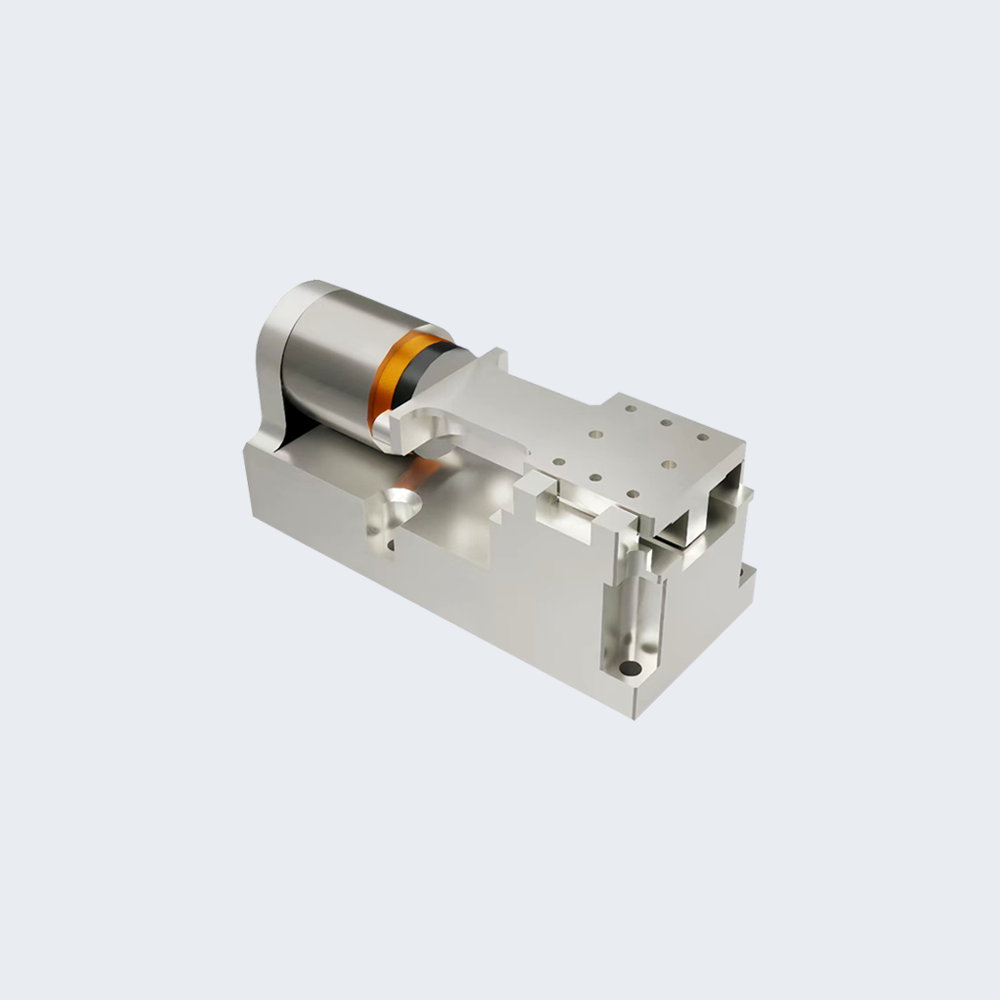
Introduction to Customized Motors
Are you ready to take your project to the next level? Customized motors could be the game-changer you’ve been searching for. Whether you’re in manufacturing, robotics, or automotive design, the right motor can make all the difference. These tailored solutions provide unmatched performance and efficiency, aligning perfectly with your specific needs. But how do you choose the right one? Let’s dive into everything you need to know about customized motors—your ultimate guide awaits!
Factors to Consider when Choosing a Customized Motor
Choosing a customized motors involves several critical factors. First, consider the power requirements. Understand how much torque and speed your application demands.
Next, think about the environment where the motor will operate. Factors like temperature, humidity, and exposure to contaminants can significantly impact performance and longevity.
Another important aspect is size and weight constraints. Ensure that the chosen motor fits within your design specifications without compromising functionality.
Don’t forget about efficiency ratings. A more efficient motor can save energy costs over time while providing reliable performance.
Assess compatibility with existing systems or components you plan to use. Ensuring seamless integration avoids potential operational issues down the line. Each factor plays a role in achieving optimal results for your specific needs.
Types of Customized Motors
Customized motors come in various types, each tailored for specific applications.
AC motors are commonly used for industrial purposes. They offer reliability and efficiency in high-performance environments. These motors can be adjusted to meet particular voltage and speed requirements.
DC motors, on the other hand, provide excellent control over speed and torque. They’re ideal for applications needing precise movements, such as robotics or automotive systems.
Stepper motors excel in scenarios requiring exact positioning. Their ability to move incrementally makes them perfect for 3D printers and CNC machines.
Brushless DC motors are another option, preferred for their longevity and reduced maintenance needs. They’re often found in electric vehicles due to their efficiency.
Each type has its strengths, making it essential to choose wisely based on your project’s demands and goals.
Benefits of Choosing a Customized Motor
Choosing a customized motor can significantly enhance the performance of your machinery. Tailoring specifications to your unique needs ensures optimal efficiency and functionality.
With a custom motor, you gain control over factors like speed, torque, and size. This level of customization allows for seamless integration into existing systems.
Another advantage is improved energy efficiency. A motor designed specifically for its intended application can reduce power consumption, ultimately lowering operational costs.
Durability also plays a crucial role. Customized motors are often built with high-quality materials that withstand specific environmental conditions better than off-the-shelf options.
Moreover, these motors offer flexibility in design changes as your requirements evolve. This adaptability means you’re investing in a long-term solution rather than settling for temporary fixes.
In addition to performance benefits, working closely with manufacturers fosters innovation tailored just for you—making it easier to stay ahead in competitive industries.
Understanding the Process of Customizing Motors
Customized motors is a multi-step process that requires careful planning and execution. It begins with identifying your specific needs and requirements. This could include factors like torque, speed, or size.
Once you’ve established what you need, the next step involves selecting the right components. This includes choosing materials for durability and efficiency.
After component selection comes the design phase. Engineers often create detailed blueprints to ensure everything fits perfectly together.
Prototyping follows this stage where initial models are built to test functionality before full-scale production begins.
Testing ensures that the customized motor meets all performance standards. Each aspect of customization is crucial for achieving optimal results tailored to your application’s demands.
Maintenance and Repair Tips for Customized Motors
Keeping your customized motors in top shape requires regular attention. Start with routine inspections to catch any signs of wear or damage early. Check for loose connections, frayed wires, and unusual noises.
Lubrication is key. Ensure that all moving parts are well-oiled to reduce friction and prevent overheating. Use the manufacturer’s recommended lubricant for optimal performance.
Cleaning is equally important. Dust and debris can hinder operation, so clean surfaces regularly with a soft cloth and appropriate cleaner.
Pay attention to the motor’s cooling system as well; ensure it operates efficiently to avoid overheating issues down the line.
If you notice persistent problems, don’t hesitate to consult a professional who specializes in customized motors. Their expertise can save time and money by identifying underlying issues effectively before they escalate into major repairs.
Conclusion
Choosing customized motors can significantly boost efficiency and performance in various applications. Understanding the factors that matter, from power requirements to size constraints, is crucial for making an informed decision. With a variety of options available—whether you’re looking at servo motors or stepper motors—the right choice depends on your specific needs.
The customization process may seem daunting initially, but it allows you to tailor solutions precisely suited to your project. Regular maintenance and timely repairs will ensure longevity and optimal functionality.
Whether you are enhancing machinery in manufacturing or refining systems for robotics, investing time into selecting the perfect customized motor pays off. By prioritizing quality and matching specifications with purpose, you set your projects up for success.