Touchless Hygiene: Sensor Hand Wash Dispenser Guide
Introduction to Touchless Hygiene
In a world where cleanliness is more important than ever, touchless hygiene solutions are gaining traction. Sensor hand wash dispensers have emerged as a game-changer in promoting better hygiene practices. These innovative devices not only reduce the spread of germs but also add a modern touch to any environment—be it homes, offices, or public restrooms.
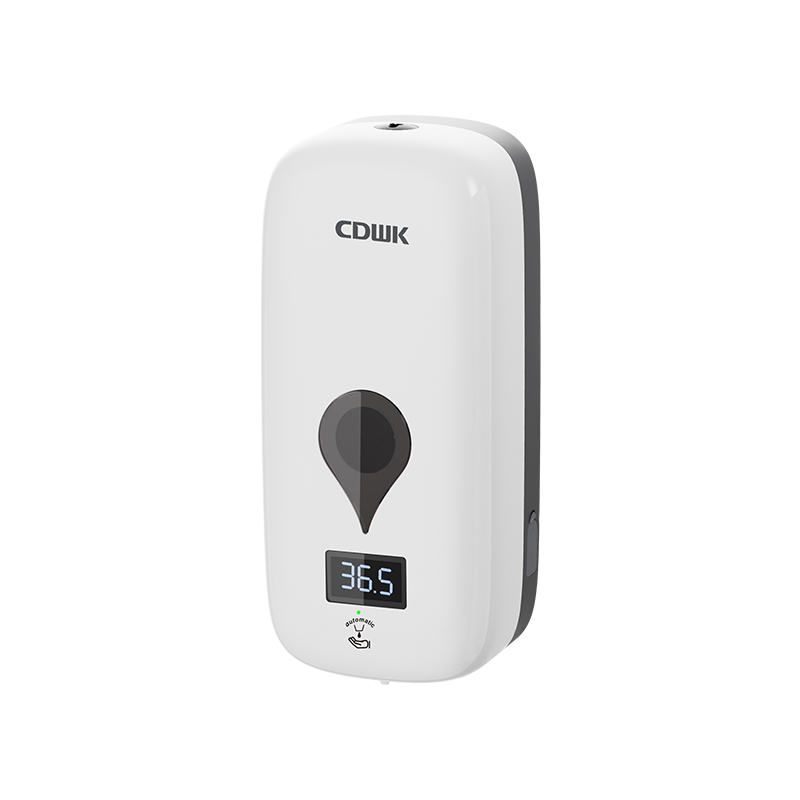
Imagine stepping up to a sleek dispenser that automatically releases soap with just the wave of your hand. No touching buttons or levers means fewer surfaces for germs to linger on. With concerns about health and safety rising, adopting sensor technology has never felt more crucial.
Let’s explore how these handy gadgets can enhance our daily routines and make washing hands safer and easier than ever before.
Benefits of Using a Sensor Hand Wash Dispenser
Using a sensor hand wash dispenser significantly enhances hygiene. With touchless technology, it minimizes the risk of cross-contamination. There’s no need to physically contact any surface, which is crucial in preventing the spread of germs.
Convenience plays a major role as well. These dispensers often provide quick access to soap with just a wave of your hand. This speeds up the washing process, making it especially useful in busy environments like restaurants and hospitals.
Moreover, many models offer adjustable settings for soap volume. Users can personalize their experience based on preference or specific needs.
Cost-effectiveness cannot be overlooked either. By controlling soap usage through measured dispensing, businesses can reduce waste and save money over time. The automatic feature also encourages proper handwashing practices among users, leading to better health outcomes overall.
Different Types of Sensor Hand Wash Dispensers
Sensor hand wash dispensers come in various styles, each catering to different needs. The most common types include automatic foam dispensers and liquid soap dispensers.
Automatic foam dispensers release a pre-measured amount of foamy soap. This not only enhances the washing experience but also reduces wastage. Many prefer this type for its quick-drying formula.
On the other hand, liquid soap dispensers offer versatility with refill options. These can accommodate different soap brands and formulas, making them suitable for various environments like kitchens or restrooms.
Some models feature adjustable dispensing volumes to suit individual preferences. Others are designed for wall mounting or countertop placement, providing flexibility based on available space.
Touchless technology is integrated into these devices, ensuring that users have a hygienic solution without direct contact. Each type has unique advantages tailored to specific settings and user requirements.
Factors to Consider When Choosing a Sensor Hand Wash Dispenser
When selecting a sensor hand wash dispenser, capacity matters. Consider how often the dispenser will be used. High-traffic areas may require larger reservoirs to minimize refills.
Look into the installation process. Some dispensers are wall-mounted while others sit on countertops. Choose one that fits your space and is easy to install.
Sensor sensitivity is crucial for user experience. Opt for models that activate with minimal movement to enhance convenience, especially in busy environments.
Material quality also plays a significant role in longevity and hygiene. Stainless steel options tend to resist wear and tear better than plastic counterparts.
Think about compatibility with various soap types. Some dispensers work well with liquid soaps, while others accommodate foam or gel formulations efficiently.
Consider design aesthetics if it’s meant to complement existing decor. A sleek appearance can elevate your hygiene station visually as well as functionally.
How to Properly Use and Maintain a Sensor Hand Wash Dispenser
Using a sensor hand wash dispenser is straightforward. Position your hands beneath the spout, and the sensor will detect them, releasing soap automatically. This touchless feature minimizes contact and promotes hygiene.
Regular maintenance keeps the dispenser functioning optimally. Start by checking batteries if it runs on power; replace them as needed to avoid interruptions in service. If it’s a refillable model, ensure you use compatible soap to prevent clogs.
Cleaning is essential too. Wipe down both the exterior and interior surfaces with a mild detergent or disinfectant regularly. Avoid abrasive cleaners that could scratch or damage components.
Monitor for any signs of malfunction such as inconsistent dispensing or sensor issues. Address these promptly to maintain efficiency and uphold hygiene standards in your space. Keeping everything clean ensures users have an enjoyable experience every time they wash their hands.
Top Brands and Models in the Market
When it comes to sensor hand wash dispensers, several brands stand out for their innovation and quality.
One of the top contenders is **GOJO**, known for its durable designs that cater to high-traffic areas. Their Purell series combines sleek aesthetics with robust functionality.
Another notable brand is **Simplehuman**. Their dispensers feature a precise dispensing mechanism and a contemporary look, perfect for modern kitchens or bathrooms.
**Secura** offers budget-friendly options without compromising on performance. Users appreciate the reliable infrared technology in Secura models, ensuring hands-free operation every time.
Lastly, **Kimberly-Clark Professional** provides dispensers specifically designed for commercial use. Their products emphasize hygiene while being easy to maintain and refill.
Each of these brands has carved a niche in touchless hygiene solutions, ensuring you can find one that fits your specific needs perfectly.
Conclusion: The Future of Touchless Hygiene
The shift towards touchless hygiene represents a significant advancement in how we approach cleanliness and health. Sensor hand wash dispensers play a crucial role in this movement, providing convenience while minimizing contact points that can harbor germs.
As technology continues to evolve, so too will the capabilities of these dispensers. Innovations may lead to even more efficient designs and functionalities, enhancing user experience and hygiene standards alike.
With increasing awareness around health practices, businesses are likely to invest more in touchless solutions. This trend is not just about convenience; it reflects a growing commitment to safety and public well-being.
Adopting sensor hand wash dispensers could become a standard practice across various environments—from homes to offices and public spaces. As society moves forward, embracing these advancements will be essential for maintaining proper hygiene in an ever-changing world. Investing in such technology today ensures readiness for tomorrow’s challenges related to cleanliness and health prevention strategies.